More is free than you'd expect
If you have searched for a free emergency kit, you have probably found American pages about FEMA giveaways or Red Cross distributions. Those do not apply here — but the UK picture is better than that suggests. Rather than posting boxes to households, the UK wraps every disruption in a layer of genuinely free help: official checklists, warning systems, priority registers and legal entitlements to water and support. Knowing what those are, and claiming them before something goes wrong, does more for most households than any free box could. This guide is the complete list of what costs nothing.
The government's Prepare campaign — free, official, and worth reading
prepare.campaign.gov.uk is the UK government's own preparedness site, launched alongside the National Risk Register. It asks households to be able to look after themselves for the first few days of a serious disruption, and it publishes free checklists covering water, food, light, power, medication, documents and a household plan. There is nothing to sign up for and no kit to claim — it is advice, and it is the same advice our own checklist is built on. Read it, then use it to buy deliberately rather than panic-buying later.
Free services that do more than a kit would
Three free registrations are worth more than most gear. Call 105 free from any phone to report a power cut and get restoration times from your network operator. Sign up to free flood warnings from the Environment Agency (or SEPA in Scotland, Natural Resources Wales, and NI Direct), which text or call you before water reaches the door. And register for the Priority Services Register with your energy and water suppliers — it is free, it covers older people, disabled people, anyone with a medical dependency on power, and households with young children, and it can mean priority reconnection, advance notice of planned work and bottled water delivered to you.
What your water company must give you free
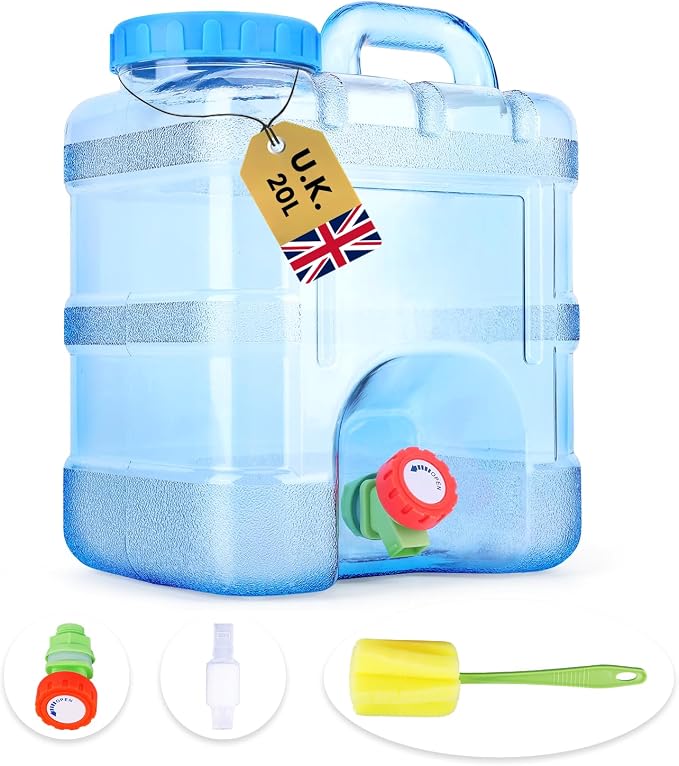
During a prolonged mains interruption, water companies in England and Wales are obliged to provide an alternative supply — usually bottled water or a street bowser — and customers on the Priority Services Register are prioritised for delivery. That is a genuine free entitlement, not a favour. The catch is practical: bowsers dispense water, they do not hand out bottles. A collapsible carrier costing a few pounds is what turns that free supply into water you can actually get home.
Free kit that does exist — but only in some areas
Some things really are given away, just locally and inconsistently. Councils in flood-risk areas sometimes issue free sandbags, flood boards or 'flood kits' to at-risk properties, and many run funded flood warden or community resilience schemes. Some energy suppliers and fire and rescue services fit free carbon monoxide alarms and free smoke alarms, and most fire services offer a free Home Fire Safety Visit. A few housing associations hand out winter packs. None of this is national: search your council's website for 'flood' or 'resilience', and your fire service for 'home safety visit'. It takes ten minutes and occasionally saves you a hundred pounds.
Free, and often overlooked: your own paperwork
The most valuable half hour of preparedness costs nothing at all. Photograph your passport, driving licence, insurance policies, tenancy or mortgage paperwork and prescriptions, and store copies in a folder you can reach without your home. Write down mobile numbers, the school office, your GP, your insurer, 105 and your water company on paper, because a dead phone remembers nothing. Register for the free UK emergency SMS service at 999.gov.uk in advance so you can text 999 when a call will not connect.
What you still have to buy — and how little it costs
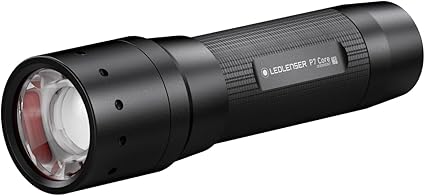
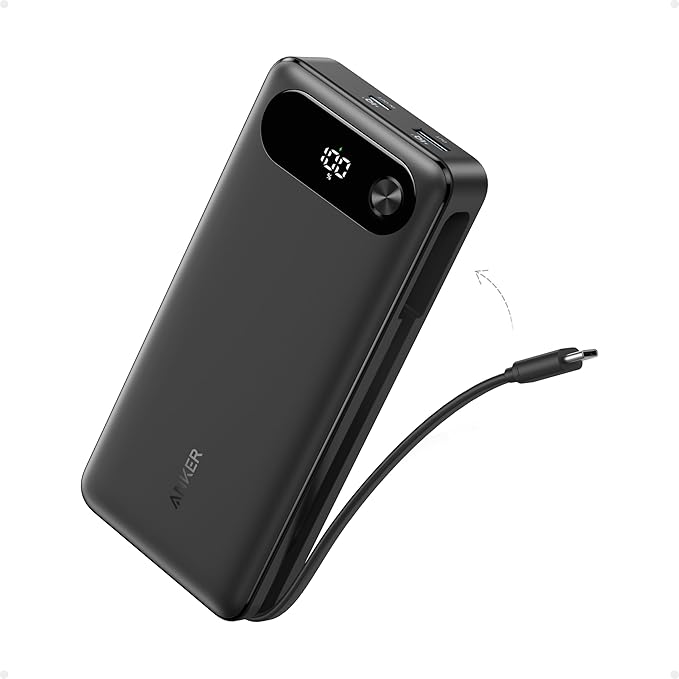
Once the free help is claimed, four gaps remain, and they are the ones that bite: water storage, light, power for a phone, and basic first aid. Nine litres of bottled water per person, a head torch each with spare batteries, one charged power bank and a small first aid kit cover the overwhelming majority of real UK disruptions — a night-time power cut, a burst main, a storm that closes the roads. Bought at supermarket prices over two or three shops, that is a modest amount of money for a household, and none of it needs replacing more than once a year.
Be wary of 'free survival kit' offers
If a site offers a free survival kit for the price of postage, read what you are agreeing to. These are usually trial subscriptions, data-harvesting funnels or bundles of near-useless gear — thin foil blankets, a whistle, a compass that does not settle. You will get more protective value from six bottles of supermarket water than from any free kit that arrives in a jiffy bag. Free advice: excellent. Free kit from a stranger: usually not free.
Do this in the next twenty minutes
Register for the Priority Services Register with your energy and water supplier if anyone in your household qualifies. Sign up for flood warnings if you are anywhere near a river, the coast or a known surface-water spot. Save 105 in your phone. Photograph your documents. Then take our free readiness assessment to see which of the four paid gaps you actually have — most households discover they only need to fix one or two.