The short answer: no free kits, but plenty of free help
Thousands of people search for free government survival kits every month, usually after a storm or a power cut. The honest answer is that the UK has never run a scheme that posts emergency kits to households. Unlike some countries, the approach here is guidance plus warning systems: the government tells you what to keep in, and expects you to keep it in. That's disappointing if you were hoping for a free box, but it also means nobody is on a waiting list — you can be sorted this week.
What the UK government actually provides free
Emergency Alerts, the system that sends a siren-like warning to UK mobiles when there's a risk to life — you don't sign up, it's automatic. The 105 number, free from any phone, which connects you to your local electricity network to report and track a power cut. Floodline on 0345 988 1188 plus free flood warnings by text, phone or email for properties at risk. And the Prepare campaign's own household guidance, which is where the checklists below come from.
The Priority Services Register — the most underused free thing
Every energy and water supplier runs a free Priority Services Register. If someone in your household is over 60, has a disability or long-term illness, relies on powered medical equipment, is pregnant or has young children, you can join. It means advance notice of planned interruptions, priority support during an outage, and in some cases hot meals, bottled water deliveries or alternative heating. It takes one phone call to your supplier and costs nothing. Most people who'd qualify have never heard of it.
Free or nearly free from your local council
Provision varies by council, so check yours rather than assuming. Many offer sandbags or flood barriers to at-risk properties, run local resilience or community emergency plans, and designate rest centres used during floods and prolonged outages. Some publish a local risk register showing what your specific area is most likely to face — worth ten minutes of reading before you spend anything on gear.
What the government asks you to buy yourself
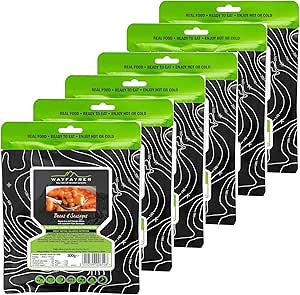
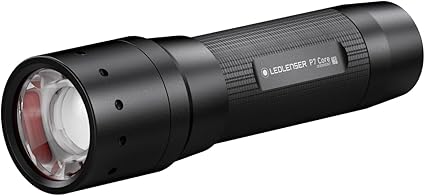
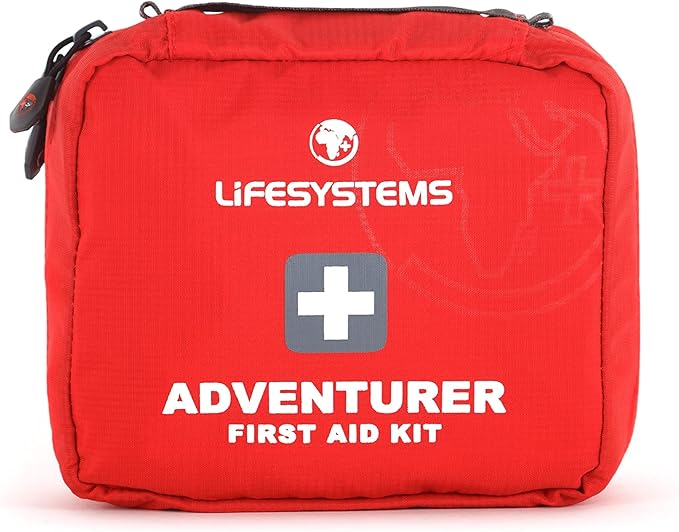
The official household list is short and unglamorous: bottled water, food that needs no cooking, a battery or wind-up torch with spare batteries, a battery or wind-up radio, a first aid kit, any prescription medicines, baby and pet supplies, copies of important documents, and some cash. There's no branded product on that list and no minimum spend — which is exactly why a kit assembled from supermarket shelves is a genuine kit.
Building the same kit for very little
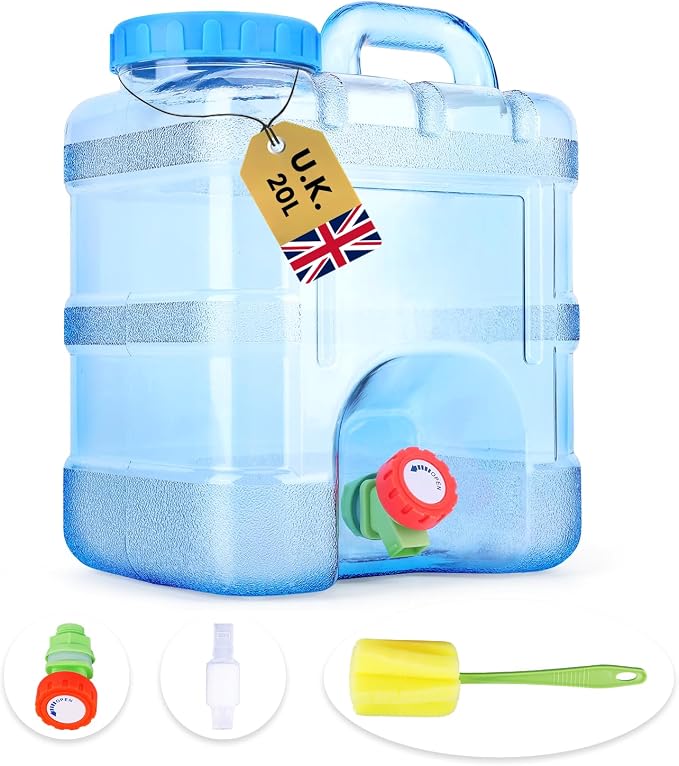
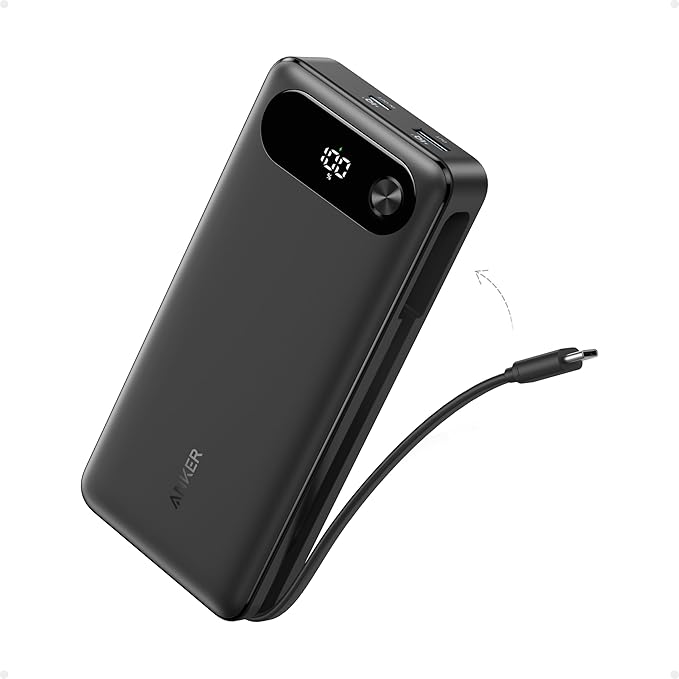
Start with what's free: fill clean bottles from the tap and rotate them every six months. Then add from your normal weekly shop — an extra bag of pasta, a few tins with a manual tin opener, long-life milk. That covers the food and water half of the list for pennies. The items worth actually buying are the ones you can't improvise in the dark: a head torch each, a power bank, a proper first aid kit and a wind-up radio. Spread those over a few months and the whole kit lands well under the cost of a single big weekly shop.
Where a paid kit does make sense
Pre-made packs aren't a con — they're a shortcut. If you know you'll never get round to sourcing fifteen separate items, a ready-made grab bag that lives by the door beats a perfect list you never built. The trade-off is usually food quality and torch quality, so the sensible middle ground is a pre-made base plus your own water, medication and documents added on top.
Do this in the next twenty minutes
Call your energy supplier and join the Priority Services Register if anyone in the house qualifies. Sign up for free flood warnings if you're near water. Save 105 in your phone. Fill four bottles of water. Then take the readiness check on this site to see which of the nine categories you're actually thin on — most households are surprised it's lighting and documents rather than food.