Why 72 hours
Three days is the window in which utilities are usually restored, roads reopened or organised help reaches you. UK government guidance at prepare.campaign.gov.uk uses the same framing: be able to look after your household independently for the first few days so responders can prioritise the people who can't.
Grab bag or home store?
They're different jobs. A 72-hour grab bag is portable and lives by the door for when you have to leave. A home store is bulkier and covers sheltering in place. Most households need both, but the bag is what people are missing.
What goes in the bag
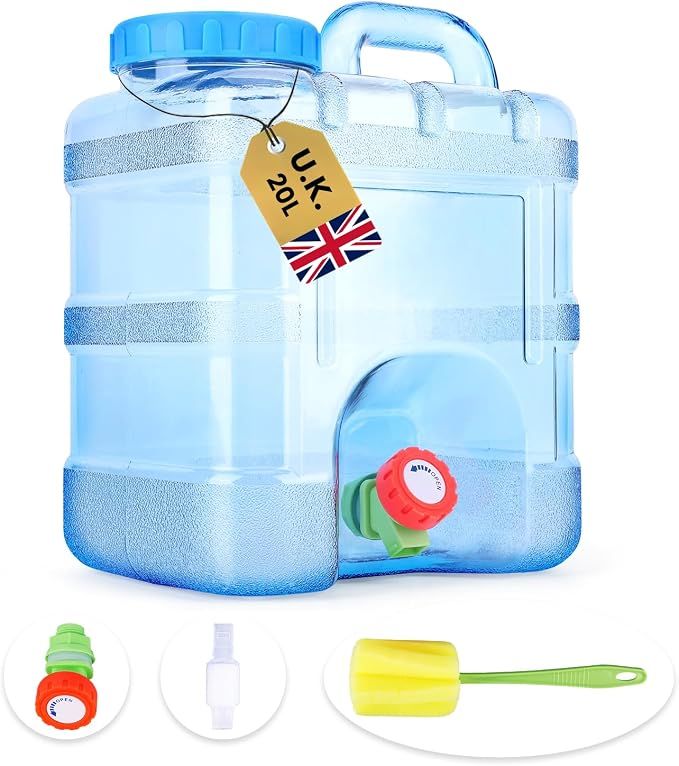
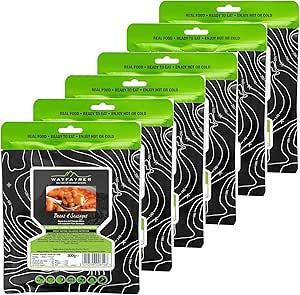
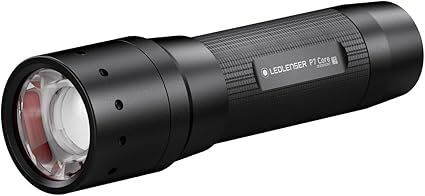
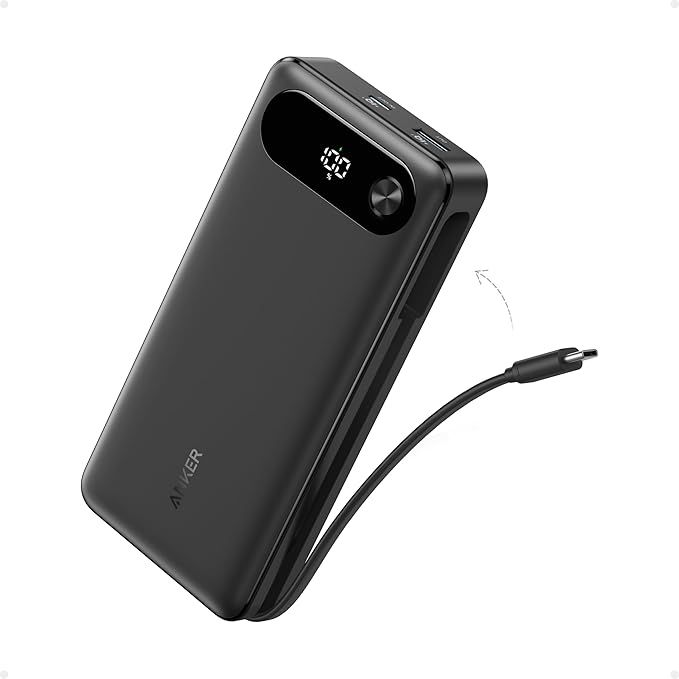
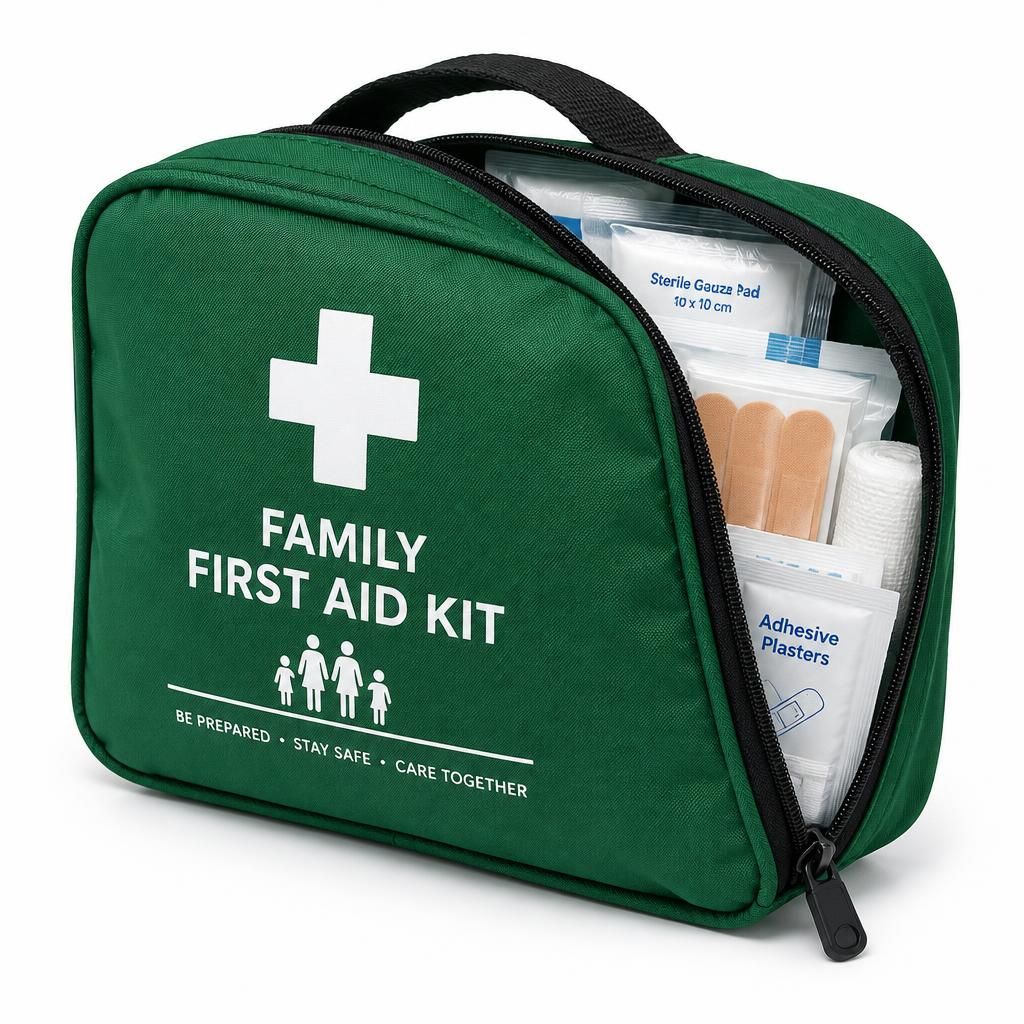
Water and a filter bottle, three days of no-cook food, head torch and spare batteries, power bank and cables, first aid kit and a week of prescription medication, foil blankets, a change of clothes and sturdy shoes, wind-up radio, whistle, waterproof document wallet with copies of ID and insurance, cash in small notes, and a printed contact list.
Don't forget the people-specific items
Baby formula, nappies and wipes; pet food, a lead and a carrier; incontinence supplies; hearing aid batteries; a spare charger for mobility equipment; and something comforting for young children — a familiar toy does more good than an extra torch.
How to pack it
One rucksack per adult that they can carry for twenty minutes without stopping. Heavy items low and close to the back. Everything grouped in labelled dry bags so you're not emptying the bag on a wet pavement to find plasters.
Cost and upkeep
A solid 72-hour kit for two people comes in around £120–£200 if you buy sensibly, and you can build it over a few months rather than in one go. Check it twice a year: rotate food and water, test the torch and radio, top up the power bank, and replace anything you borrowed and never put back.