Everything a UK household needs for the first 72 hours of a power cut, storm, flood or water outage — organised by category, with realistic quantities and the gear worth buying.
UK guidance · Last reviewed September 2026
Autumn & winter 2026 update
Almost every UK household disruption lands between October and February: named storms taking out power, burst mains in a freeze, and flooding. Three jobs worth doing this month — recharge every power bank and jump starter to full, check that your torch batteries are the size your torches actually take, and move the grab bag from the loft to somewhere you can reach in the dark. Cold also matters: lithium batteries lose usable capacity below about 5°C, so keep power banks indoors rather than in the car or garage.
Not sure which gaps to close first? Score your household in three minutes.
Water (3 litres per person per day), three days of no-cook food, a torch and spare batteries for everyone, a charged power bank, a stocked first aid kit with a week of medication, a battery or wind-up radio, copies of key documents, cash in small notes and warm layers. Keep it in two parts: a home kit and a grab bag by the door.
The 72-hour rule
UK resilience guidance is built around three days. That is the window in which storms pass, water supplies are restored and network operators reconnect the majority of homes. Your kit does not need to survive the apocalypse — it needs to make 72 hours boring.
Build it in two halves: a home kit that keeps the household comfortable where it is, and a grab bag by the door in case you are told to leave. Most families already own half of the list below.
Is there a free government emergency kit in the UK?
No. Unlike some countries, the UK does not distribute a free national survival kit or government emergency pack to households. Official guidance on GOV.UK asks households to put their own supplies together and to keep an emergency plan — the state focuses on warnings, alerts and response, not equipment.
What you can get for free is worth having: register with your energy network operator's Priority Services Register if anyone in the house relies on medical equipment or is vulnerable, save 105 for power cuts, and keep Emergency Alerts switched on in your phone settings. Some councils and water companies also provide sandbags, bottled water or bowsers during a live incident — but only after it starts, which is exactly why the kit below matters.
So treat this checklist as the practical replacement for a government-issued kit. It is the same list national guidance describes, with realistic UK quantities and specific gear instead of generic categories. Full breakdown of what the UK government does and doesn't provide free.
Home kit vs grab bag vs car kit
Three kits, three jobs. The home disaster kit is the big one — water, food, light, power and first aid for the whole household, stored in bulk and split across two rooms so a single flooded cupboard cannot wipe it out. The grab bag is a rucksack you can lift in one hand: documents, medication, phone power, a torch, a change of clothes and cash, ready if you are told to evacuate. The car kit lives permanently in the boot — hi-vis, blanket, torch, water and a jump starter, because flat batteries are still the most common UK breakdown.
Build them in that order. Most households never need the grab bag, but every household eventually has a power cut, and almost everyone drives. If you'd rather not assemble each one item by item, we group them as ready-made kits: the Family Ready Pack for the home kit, the Power Outage Pack for light and power, and the Vehicle Emergency Pack for the boot.
Not sure which of the three to start with? The three-minute readiness check scores your household across all seven categories and tells you which gap to close first.
The full checklist
Water
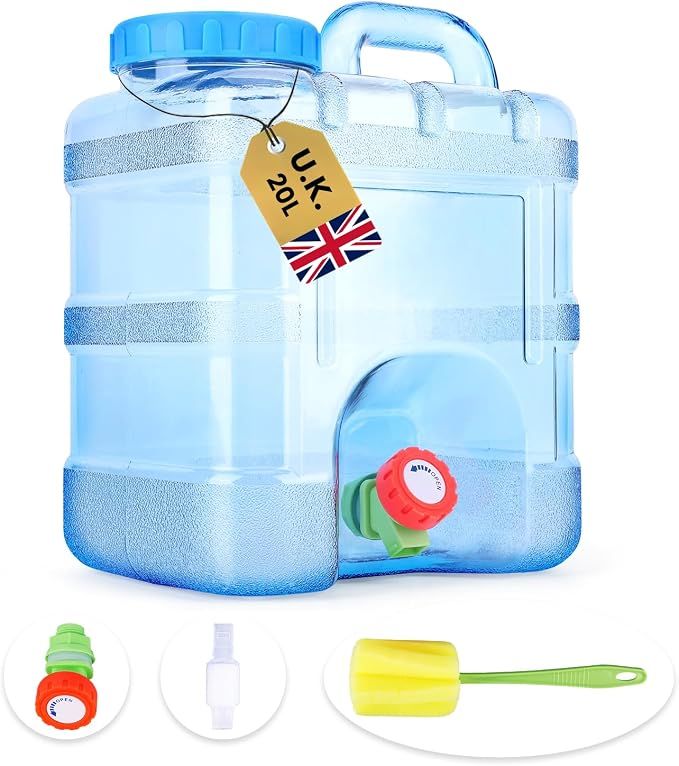
3 litres per person per day (9 litres for 72 hours)
Bottled or stored water in sealed containers
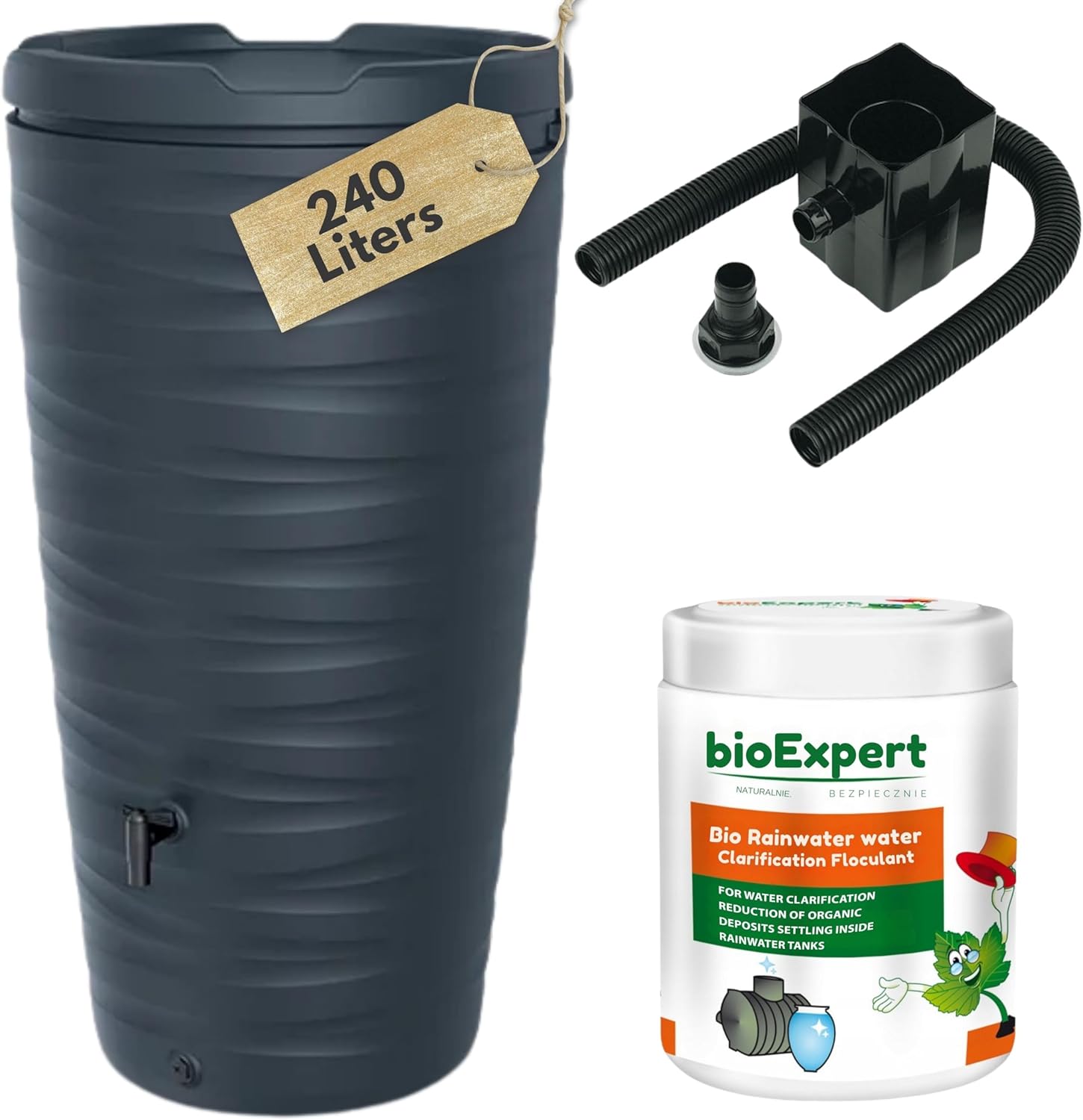
A collapsible carrier for refilling from a standpipe
A filter bottle or purification tablets as backup
A little extra for pets and basic washing
Food
3 days of no-cook food per person
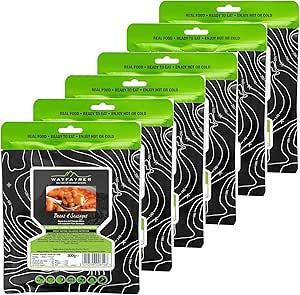
Tinned and pouched food that needs no heating
Long-life ration or energy bars
A manual tin opener (not electric)
Baby formula, pet food and any dietary essentials
Power
Two full phone charges per person, minimum
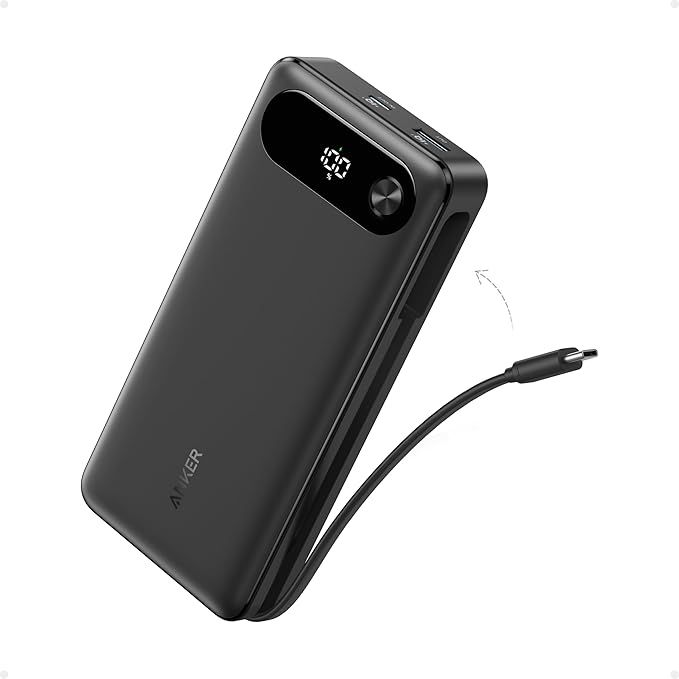
A charged power bank kept topped up
Charging cables for every device in the house
A larger portable power station if you rely on medical equipment
Spare batteries in the sizes your kit actually uses
Lighting
One light source per person, plus one per room
A torch per person — not your phone
A head torch so your hands stay free
A lantern for the room the household gathers in
Spare batteries stored with the torches
First aid and medication
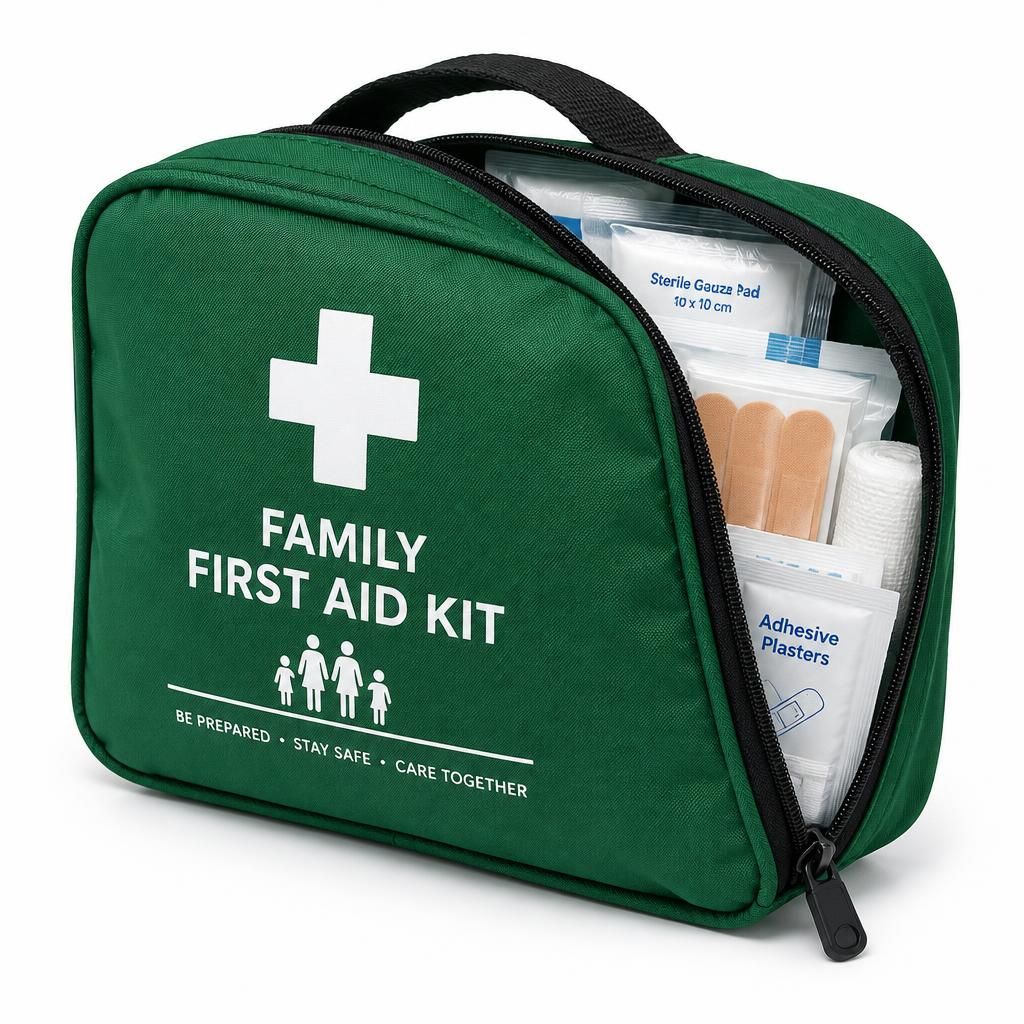
One stocked kit, plus 7 days of prescriptions
A proper first aid kit, not a plaster tin
A week of prescription medication where possible
Painkillers, antihistamines and rehydration sachets
A foil survival blanket per person
Communications and documents
One radio, one document pack
A battery or wind-up radio for local updates
Written emergency numbers (105 for power cuts, 999, insurer)
Copies of ID, insurance and medical details in a waterproof wallet
Cash in small notes — card machines fail in a power cut
Vehicle and grab bag
One bag by the door, one kit in the boot
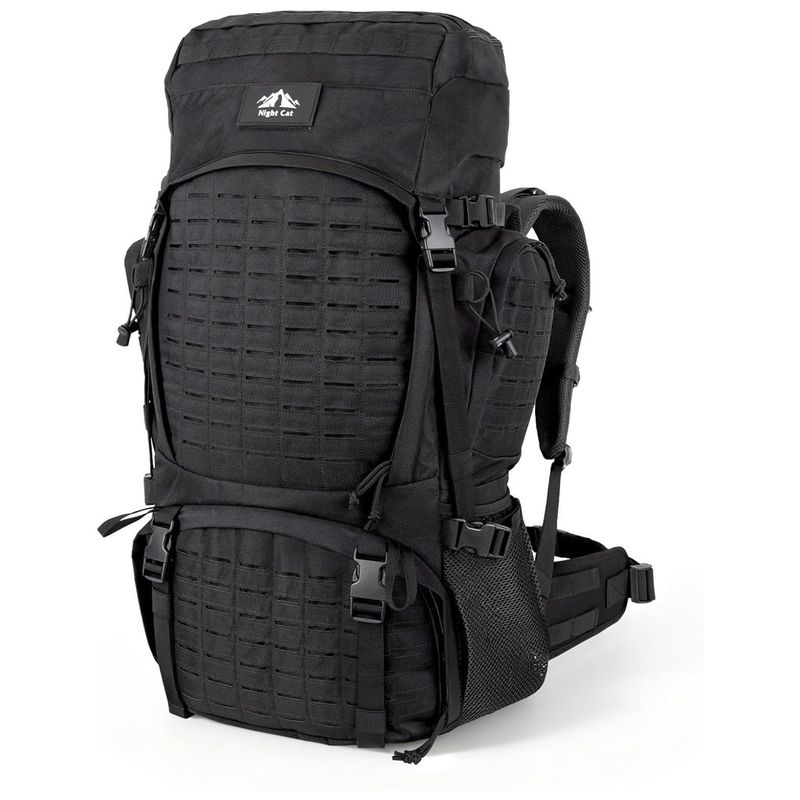
A rucksack with documents, medication, torch and power bank
Warm layers, waterproofs and sturdy footwear
A vehicle blanket, jump pack and hi-vis in the boot
A printed copy of your family emergency plan
How much of each, by household size
The quantities that trip people up are water and food. Three litres per person per day and three no-cook meals per person per day, across 72 hours, comes out like this.
Household
Water
Food
Light
Power
1 adult
9 litres
9 no-cook meals
2 torches
1 power bank
2 adults
18 litres
18 no-cook meals
3 torches
1–2 power banks
2 adults + 2 children
36 litres
36 no-cook meals
4 torches + lantern
2 power banks
Add a dog
+3 litres
+3 days dog food
—
—
A 24-pack of 500ml bottles is 12 litres, so a family of four needs three packs to cover 72 hours. That is the whole calculation — it is usually less shopping than people expect.
What UK households forget
These are the gaps that come up again and again in readiness scores. None of them is expensive; all of them are the difference between a kit that works and a cupboard of good intentions.
A manual tin opener
The single most common gap. Tinned food is the backbone of a UK kit and most kitchens now only have an electric opener or a can with a ring-pull that snaps.
Cash in small notes
Card terminals and cash machines go down with the power. A £40 float in fives and tens buys fuel, bread and a taxi when the village shop goes cash-only.
Batteries that fit
Households buy AAs and own AAA torches. Check the sizes your own kit uses and store the batteries next to the torch, not in a kitchen drawer.
A radio that isn't a phone
Local BBC radio carries flood and power updates when the mobile network is congested. A wind-up or battery set costs less than a takeaway.
Warmth without electricity
Most UK power cuts happen in winter storms, and modern combi boilers stop with the electricity. Foil blankets, a hot water bottle and real layers do more than a heater you can't plug in.
The plan on paper
Meeting point, out-of-area contact, school and vet numbers, insurer, 105. Written down, because a dead phone takes your contacts with it.
The kit, by budget
Start with Lite and upgrade the things you would actually use. Independently selected — we may earn a commission if you buy through these links.
ApocaPack Recommended
The best balance of quality, resilience and value.
Live price and stock on Amazon · We may earn a commission
Common questions
What should be in a UK emergency kit?
Water and a way to purify it, three days of no-cook food, a torch and spare batteries, a power bank, a first aid kit, a battery or wind-up radio, copies of key documents, cash, medication, and warm layers. Households with children, pets or medical needs should add their own essentials.
How long should an emergency kit last?
Three days (72 hours) is the standard planning window used by UK resilience guidance. That covers the vast majority of power cuts, storms, floods and water supply interruptions before services are restored or support arrives.
What is the difference between an emergency kit and a grab bag?
An emergency kit stays at home and supports you where you are. A grab bag is a smaller rucksack kept by the door with documents, medication, a torch, phone power and a change of clothes so you can leave within minutes if you are told to evacuate.
How much water should I store per person?
Plan for 3 litres per person per day for drinking and basic hygiene — about 9 litres per person for a 72-hour window. A filter bottle or purification tablets extend that if supply is interrupted for longer.
Does the UK government provide free emergency kits?
No. UK government guidance asks households to assemble their own supplies. There is no free national kit scheme, so the checklist on this page is the practical alternative. What is free is your energy network's Priority Services Register, the 105 power cut line and Emergency Alerts on your phone.
How much does a UK emergency kit cost to put together?
Less than most people assume, because a household already owns part of it. Water, no-cook food, a manual tin opener and spare batteries are supermarket-priced. The variable costs are the power bank, torches, first aid kit and car kit, which is why we group gear into Lite, Plus and Pro rather than quoting one figure.
Where should I store an emergency kit at home?
Somewhere you can reach in the dark, split across two locations so one flooded or blocked room cannot take out everything. Keep it frost-free and out of direct sunlight, store batteries with the torches they fit, and keep the grab bag by the front door rather than in the loft.
How often should I check my emergency kit?
Twice a year is enough. Use the March and October clock changes as your reminder: recharge the power bank, test the torches, check battery and medication expiry dates, and rotate bottled water and food that is nearing its date.
 Plus
Plus