Buyer's guide · Power

Best power banks for a UK power cut

Storm outages in Britain usually last hours, not weeks. These are the three levels of backup power that actually match that reality — from a pocket bank to a station that runs the fridge.

UK guidance · Last reviewed September 2026

Independently selected for UK households. We may earn a commission if you buy through our links — it never changes what we recommend.

Our pick

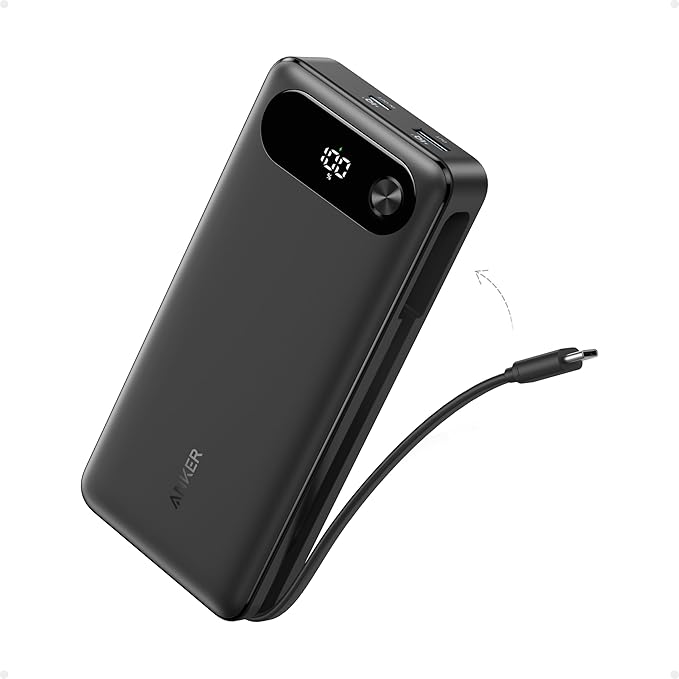
Anker Anker Power Bank, 20,000mAh Travel Essential

The sensible household default. 20,000mAh covers four to five phone charges, so one bank keeps a family of four contactable through a full-day outage without rationing.

Side by side

Every option below is one we'd genuinely put in a UK household kit — the difference is budget and how long you need it to last.

Anker Anker Power Bank, 20,000mAh Travel Essential
PlusBest overall

Anker Anker Power Bank, 20,000mAh Travel Essential

The sensible household default. 20,000mAh covers four to five phone charges, so one bank keeps a family of four contactable through a full-day outage without rationing.

  • 20,000mAh — 4–5 phone charges
  • Charges two devices at once
  • Fits a grab bag or glovebox
  • Widely available and well supported
  • Requires periodic charging
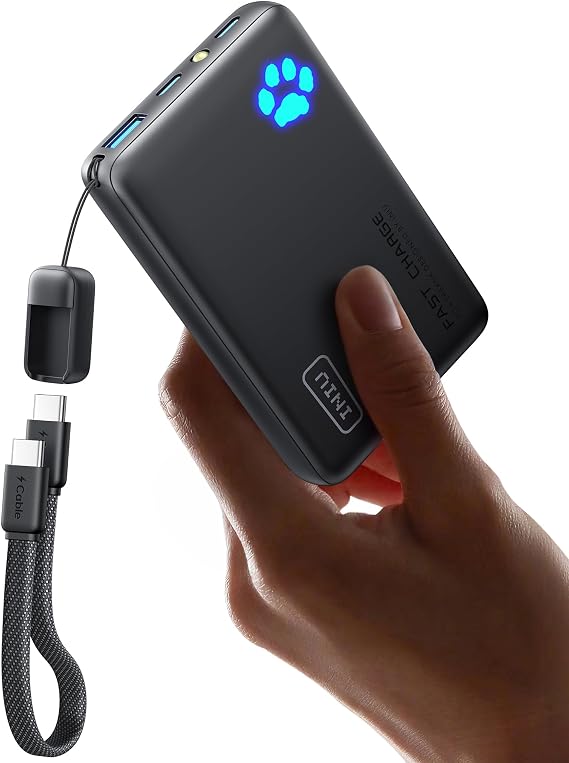
INIU INIU 10,000mAh Power Bank
LiteBest on a budget

INIU INIU 10,000mAh Power Bank

The cheapest way to stop being one dead phone away from a problem. Slim enough to live in a grab bag permanently, and about the price of a takeaway.

  • 10,000mAh — 2–3 phone charges
  • Pocket-sized and light
  • Lowest cost entry point
  • Good second bank for the car
  • Needs recharging every few months
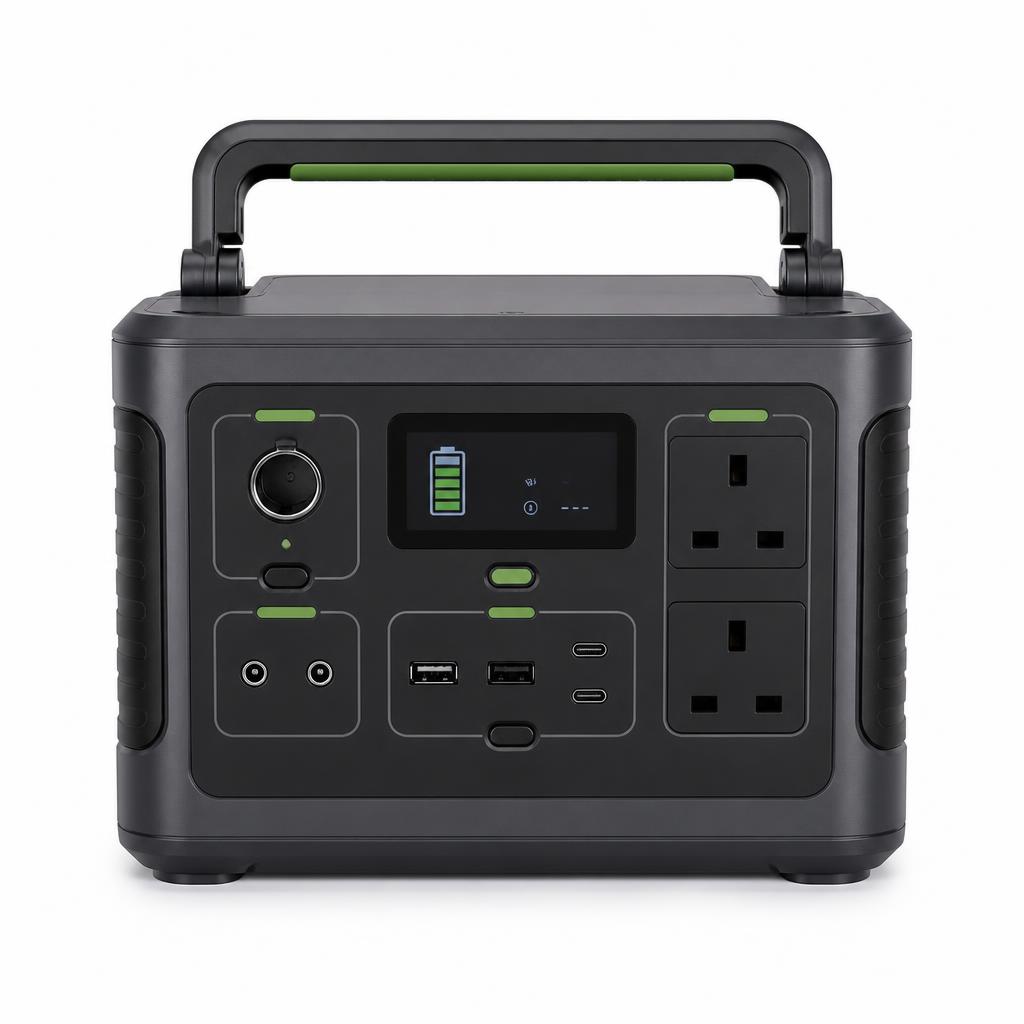
EcoFlow EcoFlow River 3 Portable Power Station
ProBest for medical and multi-day outages

EcoFlow EcoFlow River 3 Portable Power Station

A mains socket in a box. Runs a router, lamps, a CPAP machine or a fridge for hours, recharges in about an hour, and is safe to use indoors — unlike a generator.

  • Mains, USB and 12V outputs
  • Recharges to full in roughly an hour
  • Silent and safe indoors
  • Handles medical equipment
  • Significant investment

Not sure how much you actually need? Get a readiness score in three minutes.

Work out my kit

How to choose

Capacity is about people, not days

Work out how many phones the bank has to serve, then multiply by two full charges each. That number decides capacity far more usefully than a vague 'three-day' claim. One 20,000mAh bank serves a typical family; two 10,000mAh banks split between the house and the car serve them better.

USB bank or mains power station

USB banks charge phones, tablets, head torches and rechargeable AA kits. Anything with a plug — router, lamp, medical device, fridge — needs a power station with a real mains socket. Most households want the bank first and only add a station if there is a genuine dependency.

Never run a generator indoors

Petrol generators produce carbon monoxide and kill people every winter. If you want indoor backup power, it has to be a battery station. Fit a CO alarm near any fuel-burning appliance regardless.

Store it where you'll find it in the dark

A charged bank in a drawer you can't locate by torchlight is no use. Keep it with your torch, in one known place, and tell everyone in the house where that is.

Common questions

What size power bank do I need for a power cut?

For one phone through a day-long outage, 10,000mAh is enough — roughly two to three full charges. For a household of three or four sharing one bank, 20,000mAh is the realistic minimum. If you rely on medical equipment, a router or a fridge, you need a mains-output power station rather than a USB bank.

How often should I recharge a power bank in storage?

Top it up every three months and always after you use it. Lithium cells self-discharge slowly, and a bank left flat for a year may not hold charge when you finally need it. Set a recurring calendar reminder on the same day you test your smoke alarms.

Is a power station worth it for UK households?

For most homes, no — a 20,000mAh bank plus a torch covers the common two-to-six hour outage. A power station earns its price if someone in the household depends on powered medical equipment, if you work from home and need the router up, or if you live somewhere with repeated multi-day storm outages.

Can I run a fridge from a portable power station?

A 250–300W fridge-freezer will run from a River-class station for several hours because compressors cycle rather than draw continuously. Keeping the door shut matters more: a full freezer holds temperature for around 24 hours unopened, so you often don't need to power it at all.

Should I use solar charging?

Solar is a useful top-up in summer but unreliable as your only plan in a British winter. Treat a solar panel as a bonus for multi-day outages, and rely on charging from the mains between events as your primary method.

Go deeper

Free newsletter

Stay Prepared

Join UK households getting practical readiness advice. No spam, no scaremongering.

  • Preparedness guides
  • Emergency checklists
  • Readiness updates