Agree two meeting points
One just outside the home for an immediate evacuation like a house fire, and one outside the immediate area — a relative's house, a church hall, a pub car park — for when you can't get home. Everyone old enough to walk should know both by name, not by postcode.
Nominate an out-of-area contact
Local networks congest first. Pick a friend or relative in another part of the country that everyone checks in with, so information flows through one person instead of everyone calling everyone. A text usually gets through when a call won't.
Write down what phones remember for you
Mobile numbers, work numbers, the school office, your GP, your insurer, your energy network (105) and your water company. Print it, put one copy in the grab bag and one in each car glovebox. Add the emergency SMS service — UK 999 texts work if you register in advance at 999.gov.uk.
Cover school and work
Check your school's collection policy and who else is on the authorised list. Confirm what happens if a parent can't get back before pickup, and make sure the second person on that list knows they're on it.
Assign roles
Decide now who grabs the bag, who gets the children, who shuts off gas, electricity and water, and who takes the pets. Under stress, people default to whatever was agreed in advance rather than improvising.
Test it, then diarise it
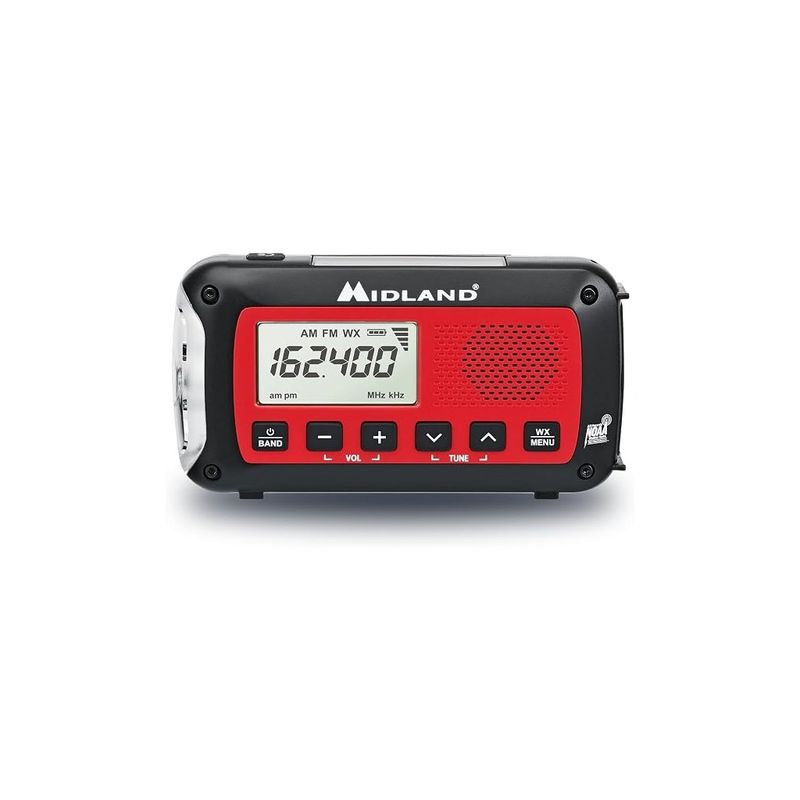
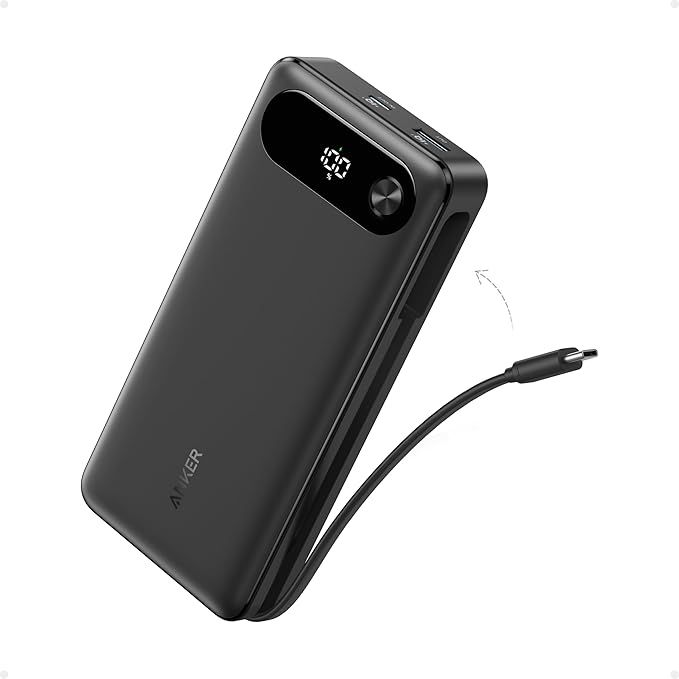
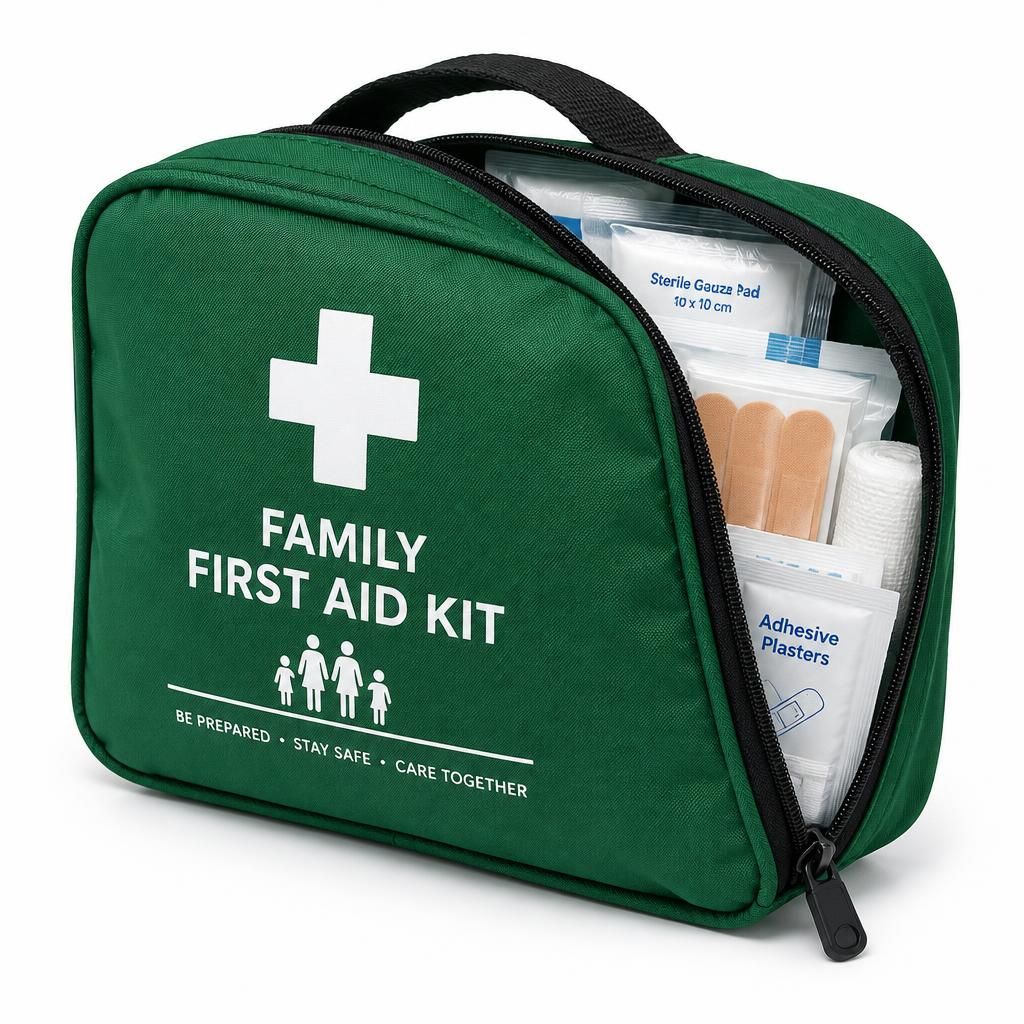
Walk the routes once, check the grab bag contents, and confirm everyone can find a torch in the dark. Rotate medication and water, check power bank charge and re-read the plan every six months — put it in the calendar with the smoke alarm test.