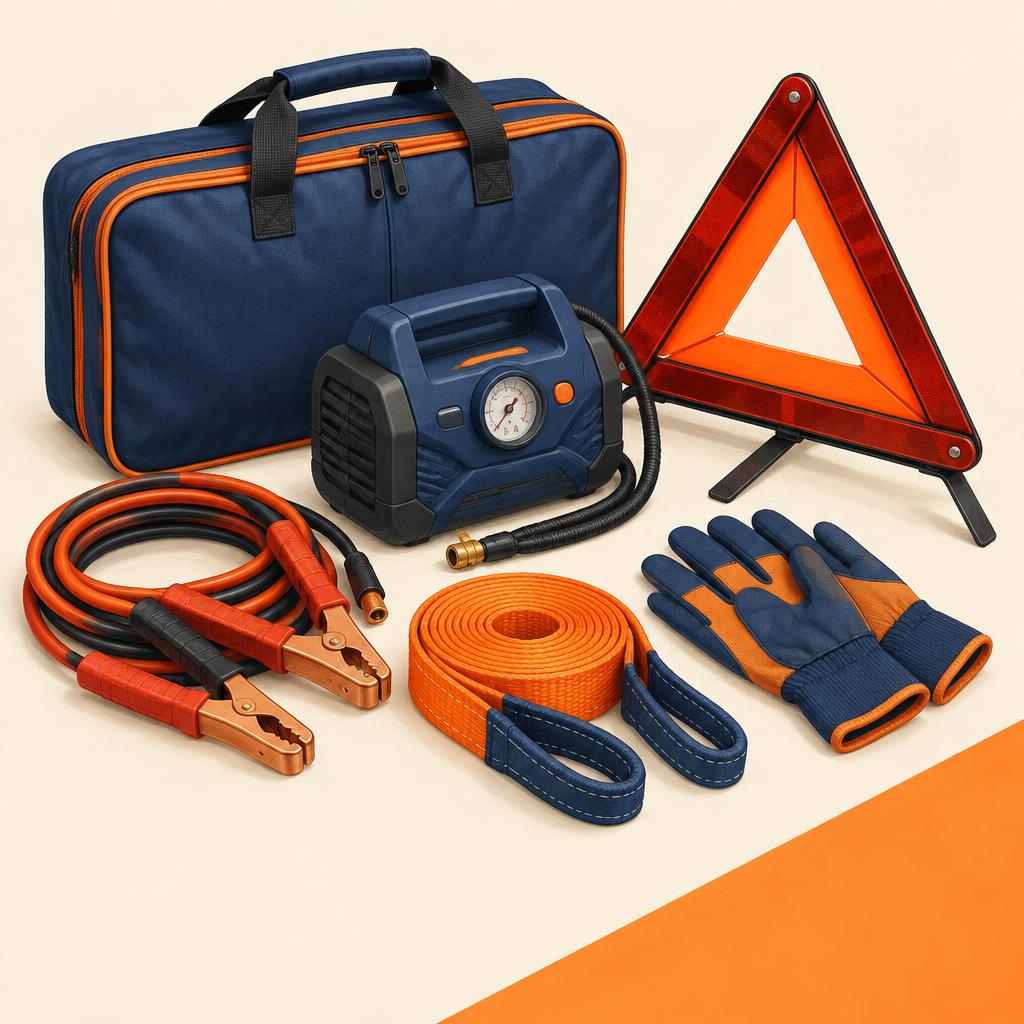
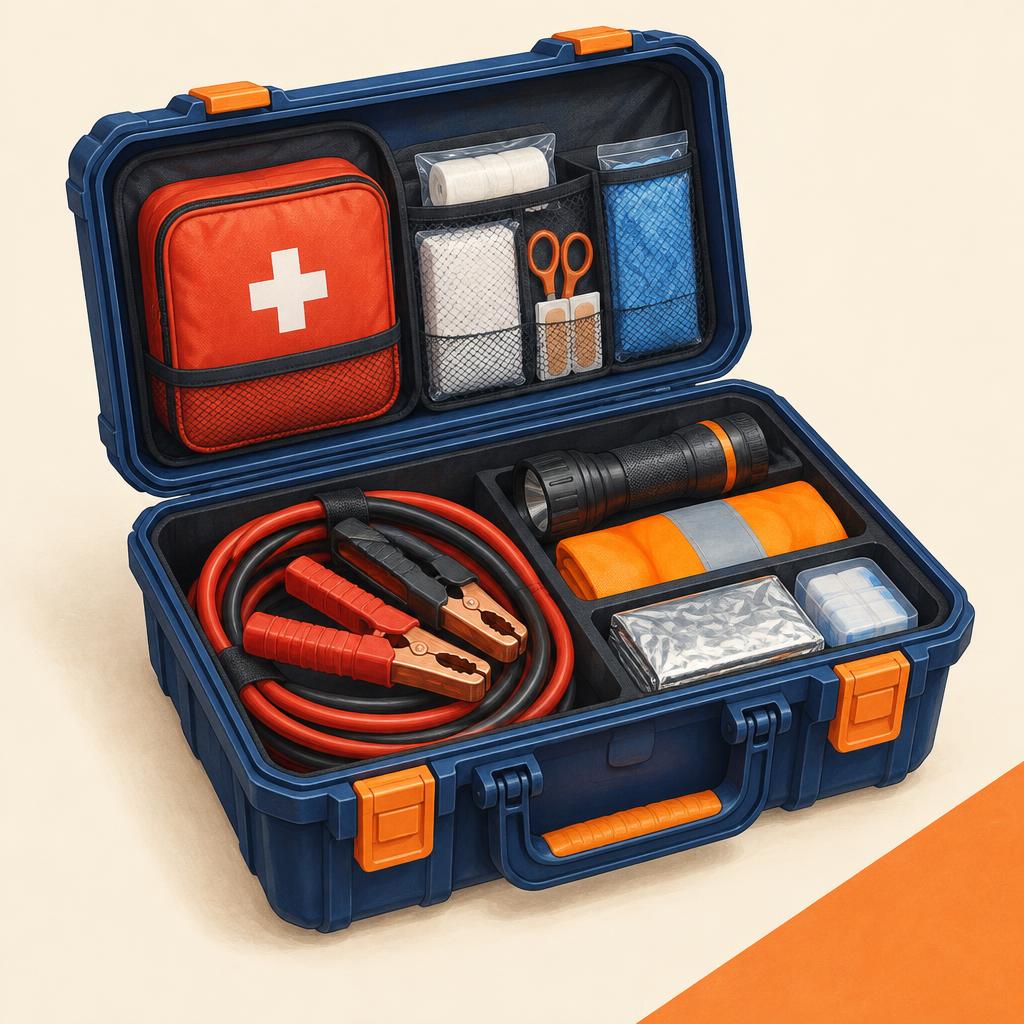
A budget kit can be perfectly sensible, as long as you know what's in it. Its main job is to help you stay visible and safe while you wait for help.
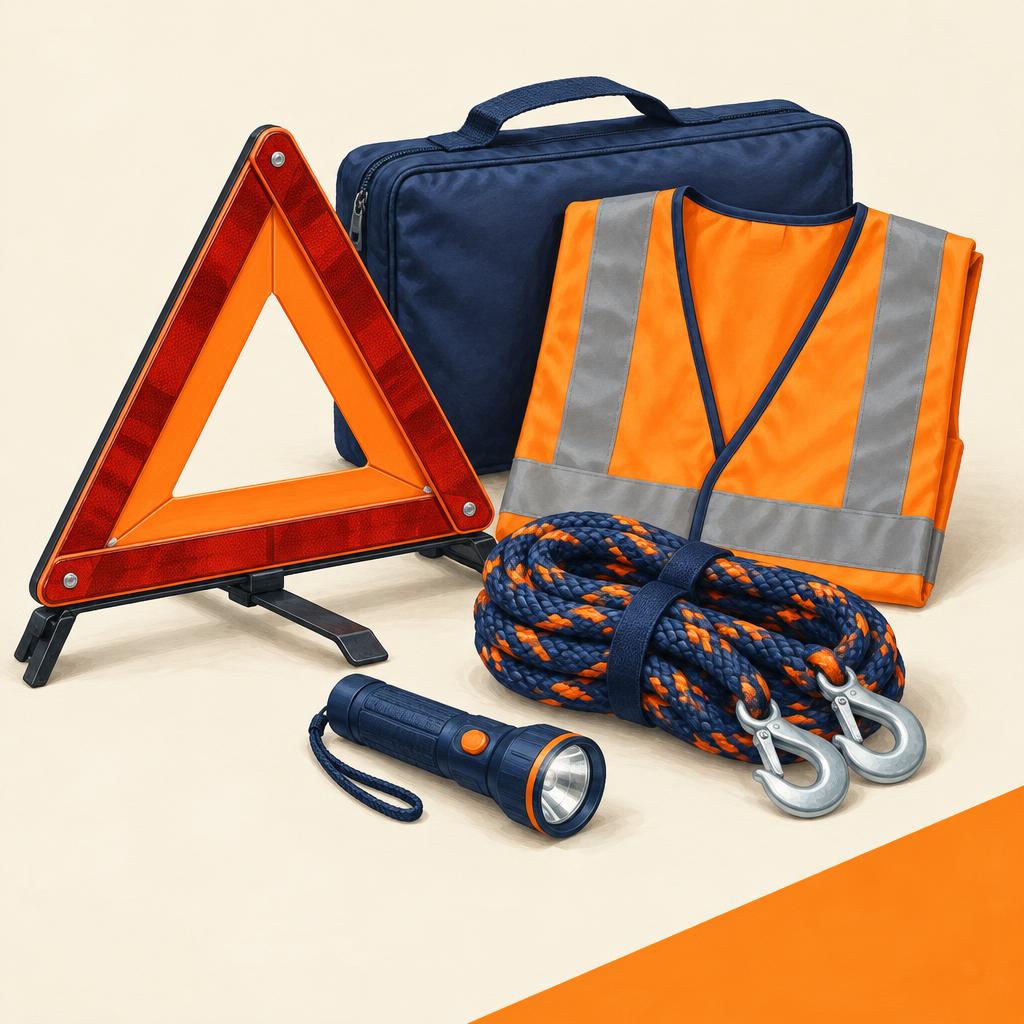
Things to check, whatever the kit costs: is there a hi-vis vest for each adult, and a warning triangle? Basic first aid you'd know how to use? Enough warmth for everyone who usually travels with you — some kits include only one thermal blanket? A torch you trust, plus water and a snack? A spare coat and sturdy shoes in the car? Most kits don't include these.
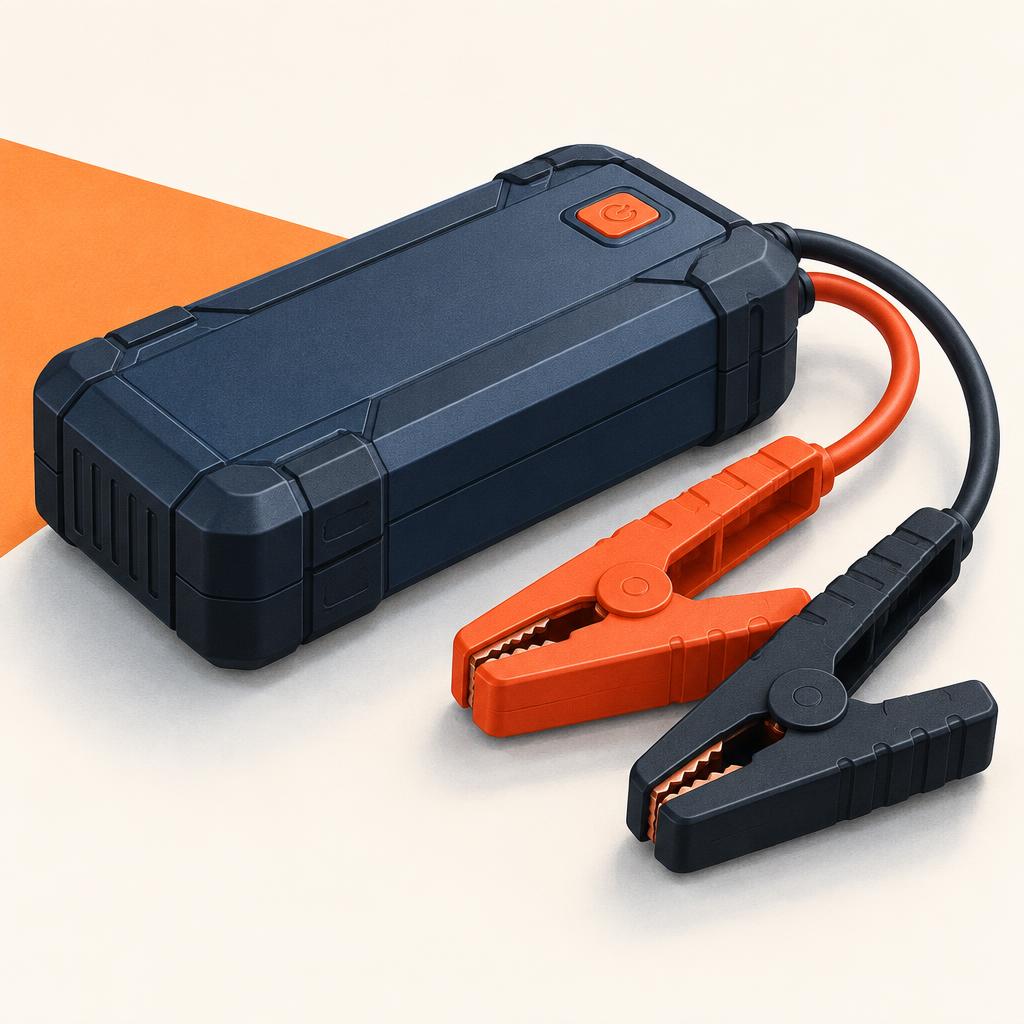
Would a jump starter help? A flat battery is a common reason to be stuck, and some kits don't include one.
When a fuller kit may be worth it: if you regularly drive on motorways or rural roads, or travel in winter with children or older passengers, a breakdown is more likely to mean a long, cold wait.
If you break down — Highway Code basics: try to stop somewhere of relative safety, such as a service area, lay-by or emergency area. Hard shoulders give less protection because they're so close to fast traffic. Where possible, keep well away from your car and moving traffic.
On ordinary roads: use your hazard lights, wear light-coloured or fluorescent clothing in daylight and reflective clothing at night, and, taking great care, place a warning triangle at least 45 metres behind your car on the same side of the road. Never use a warning triangle on a motorway.
On a motorway: if it's safe to get out, leave by the side furthest from traffic, get everyone well away from the car and traffic (behind the barrier where there is one) and call for help. Don't attempt repairs.
If you can't get out safely: stay in the car with seatbelts and hazard lights on, and call 999 straight away and ask for the police.