Water (items 1–3)
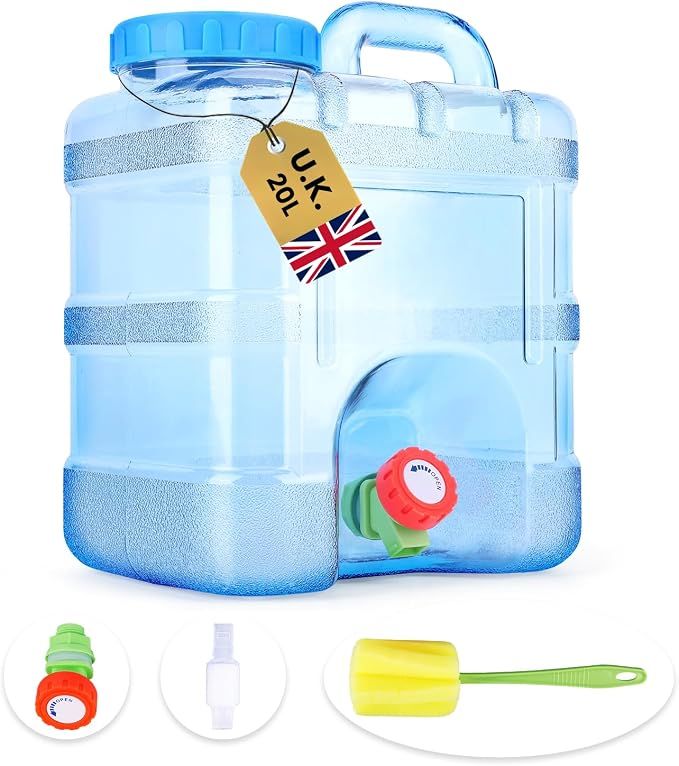
1. Three litres of drinking water per person per day, for at least three days. 2. A collapsible or rigid water carrier so you can collect from a bowser if mains supply is interrupted. 3. A filter bottle or purification tablets as a backstop if supply is contaminated.
Light (items 4–6)
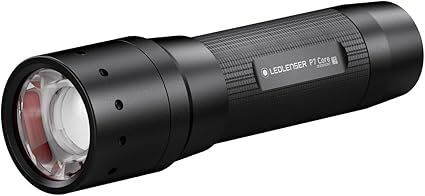
4. A head torch per person — hands free, no fire risk, and far more useful than candles. 5. A lantern for a shared room so nobody is pointing a beam at the ceiling. 6. Spare batteries in the sizes your torches actually use, stored with them.
Power and comms (items 7–10)
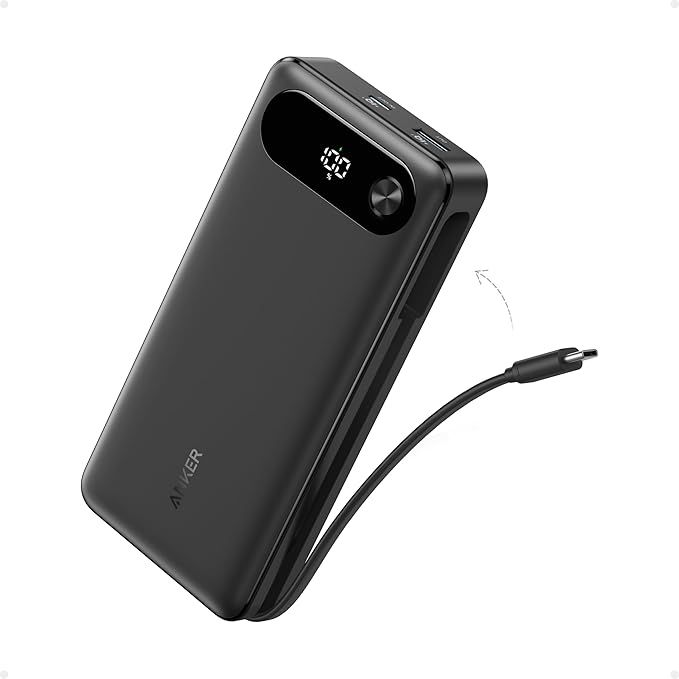
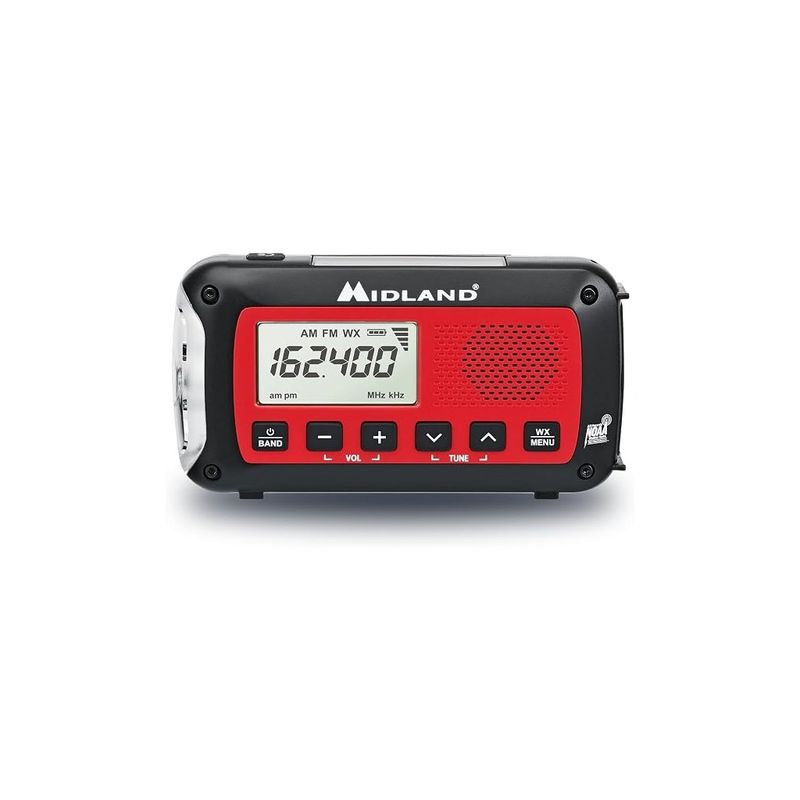
7. A power bank of at least 10,000mAh, charged and rotated every few months. 8. The right charging cables kept with it. 9. A wind-up or battery DAB radio, because broadcast keeps working when mobile data doesn't. 10. A printed contact list — nobody remembers numbers any more.
First aid and health (items 11–14)
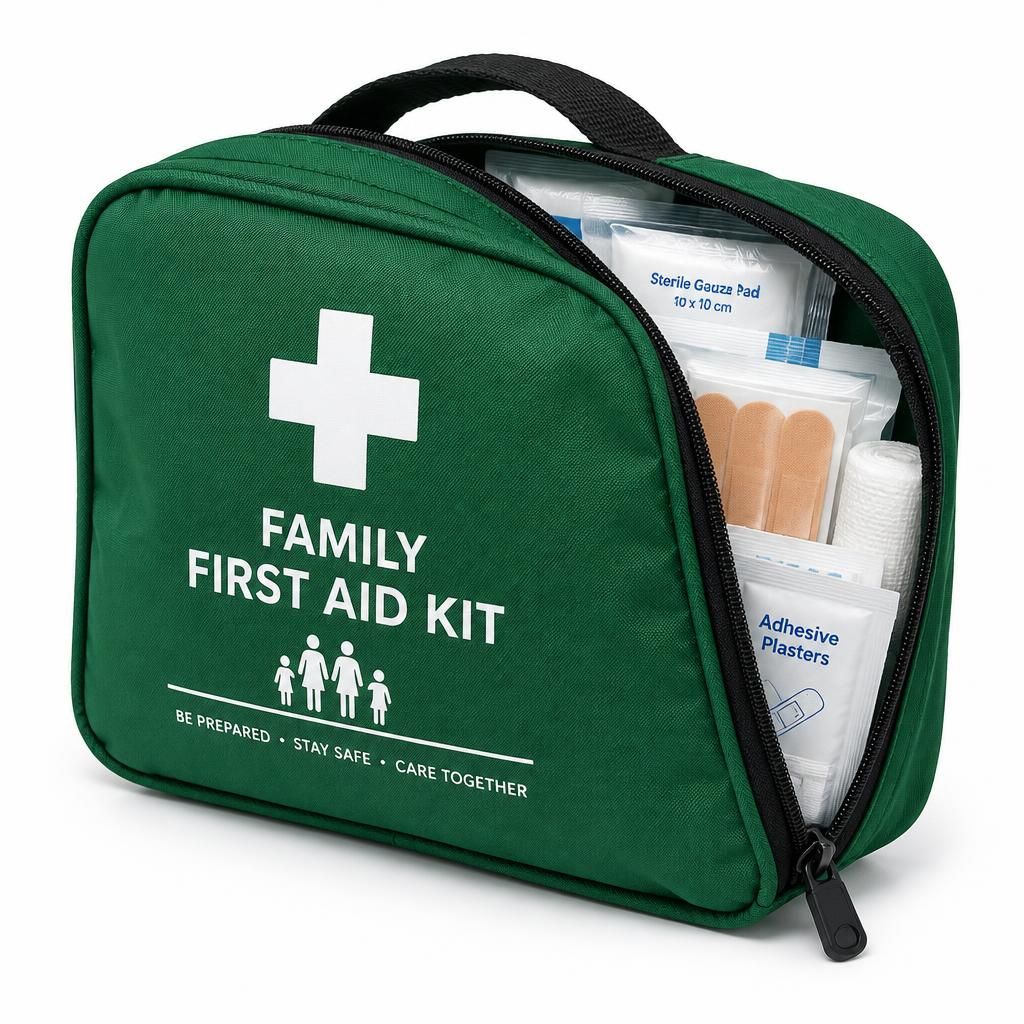
11. A proper first aid kit, not a random drawer. 12. A week of any prescription medication, rotated so it never expires. 13. Painkillers, rehydration sachets and antihistamines. 14. A spare pair of glasses or contact lenses.
Food and cooking (items 15–17)
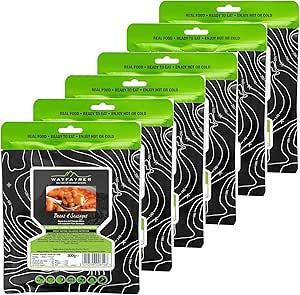
15. Three days of food that needs no cooking — tins with ring pulls, nut butter, oatcakes, dried fruit. 16. A manual tin opener. 17. Compact ration bars for the car and grab bag, where space matters more than variety.
Warmth, documents and the car (items 18–21)
18. Emergency foil blankets or a warm sleeping bag per person. 19. Copies of passports, insurance and tenancy or mortgage paperwork in a waterproof wallet, plus around £50 in cash. 20. A boot kit: hi-vis vest, warning triangle, torch, blanket, water. 21. A jump starter — flat batteries remain the single most common UK breakdown cause.
Build your own or buy a ready-made emergency pack?
Pre-made emergency packs are convenient and get you to 'something' in one order, but most are built to a price: thin torches, own-brand batteries and a first aid kit sized for a paper cut. Buying the six or seven items you are actually missing usually costs less and performs better, because you keep what you already own. A sensible middle path is a ready-made first aid kit and vehicle kit, where standard contents genuinely are fine, and hand-picked water, light and power — the three things you will lean on hardest.
Emergency essentials for flats and small homes
Storage, not money, is the real constraint in a flat. Stack water under the bed and behind the sofa rather than in one cupboard, choose a slim 10,000mAh power bank over a power station if you have no balcony or garage, and skip camping stoves entirely — no-cook food avoids the ventilation and fire risk of cooking indoors. If you are above the ground floor, add sturdy shoes and a head torch by the door: stairwells lose their lighting in a power cut.
What to sort in the first weekend
Do the cheap, high-impact items first: nine litres of water per person, a head torch each with spare batteries, a charged power bank, a manual tin opener and three days of no-cook food. That is the bulk of the protective value for well under the cost of a takeaway night, and it turns a 72-hour disruption from an emergency into an inconvenience. Everything else on this list can be added a payday at a time.
Keep the kit alive
A home disaster kit fails quietly: batteries leak, medication expires, the power bank drains to zero and the bottled water gets drunk in a heatwave. Put a recurring reminder in your phone for the clock changes in March and October. Ten minutes twice a year — recharge, rotate, replace — is the difference between owning supplies and being prepared.