Why UK power cuts happen
Most UK outages are weather-driven — named storms bringing down overhead lines — followed by planned network maintenance and local substation faults. Rural and overhead-supplied homes lose power more often and get it back more slowly than urban homes on underground cable.
Prepare before it happens
Save 105 in your phone, the free national number that routes you to your local distribution network operator. If anyone in the house relies on medical equipment, mobility aids or refrigerated medicine, register for your operator's free Priority Services Register — you get advance warning, welfare checks and priority restoration.
The first ten minutes
Check whether it's just your property: look at your consumer unit trip switches, then at your neighbours' lights. Report through 105 or your operator's app. Switch off electric heaters, ovens and hobs at the wall so nothing turns on unattended when supply returns.
Light, heat and food
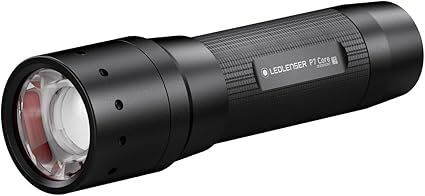
Head torches beat candles — hands free and no fire risk. Keep fridge and freezer doors shut: a full freezer holds safe temperature for roughly 24 hours. Close curtains, block draughts and move everyone into one room; body heat in a small space does most of the work.
Stay powered and informed
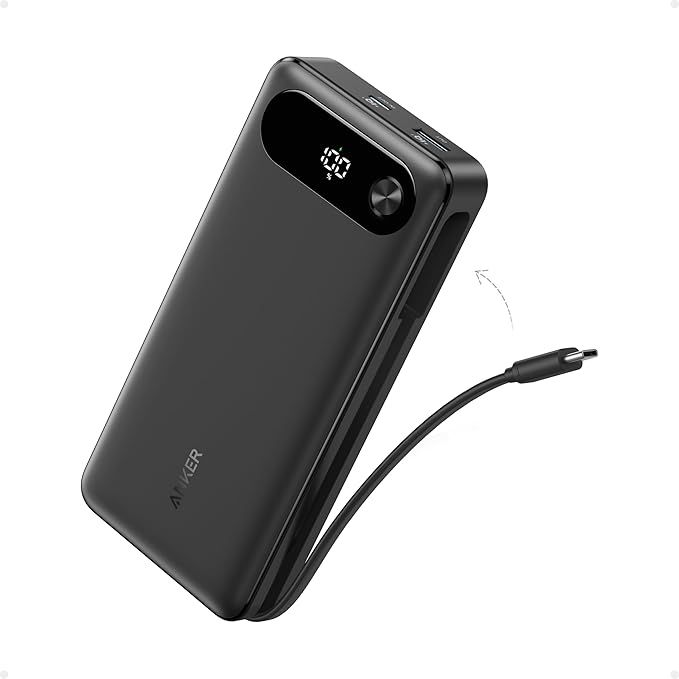
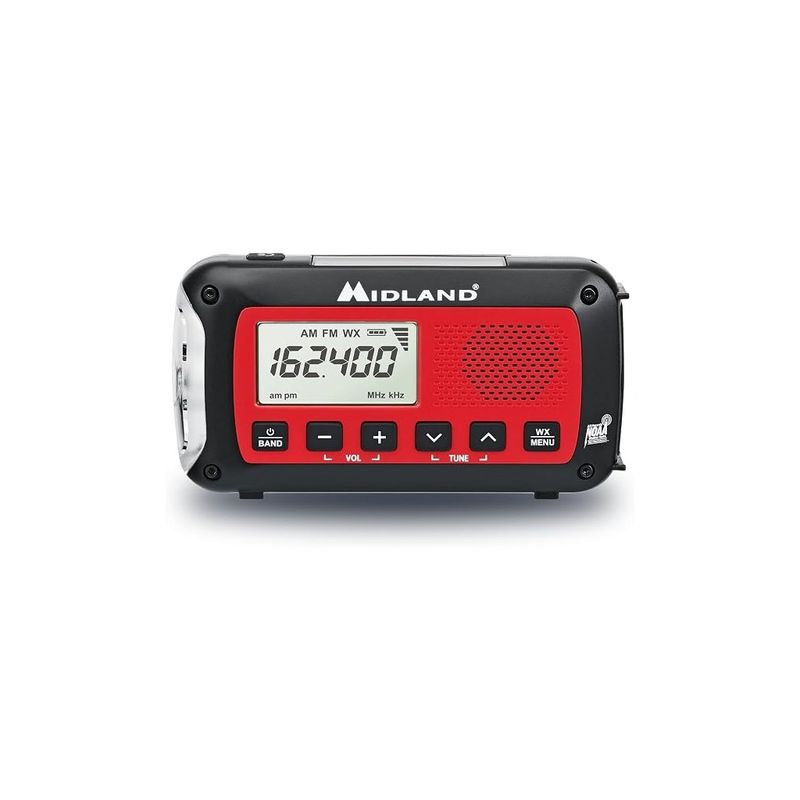
Put every phone into low power mode straight away and charge one device at a time from a power bank. A wind-up or battery DAB radio gives updates without draining a phone. Note that cordless landlines and fibre broadband phones stop working in an outage — a charged mobile is your only line out.
Compensation you may be owed
Under Ofgem's guaranteed standards, most households can claim compensation when supply is off beyond set thresholds — commonly 12 hours in normal conditions, with longer thresholds during severe storms. Note the start time of the outage and claim through your network operator, not your energy supplier.